“Wherever the art of medicine is loved, there is also a love for humanity.”
Hippocrates
Watch Clips From Webinar #2:

About the Event
“The Stories We Tell Ourselves” was the second webinar in the Healing Through the Humanities program series, sponsored by the Center for the Humanities at Loyola University Maryland.
This session expanded upon core principles and practices of narrative medicine through the guided discussion and analysis of “Kindness” by Naomi Shihab Nye– renowned contemporary poet recognized by The Academy of American Poets and the National Book Critics Circle.
Participants exercised reading through a critical lens to examine themes of loss, empathy, and the implicit nature of kindness. This laid the groundwork for the narrative workshop led by Nicole, exploring the concepts of objectivity and bias, as well as the implications of underlying assumptions in personal and healthcare experiences.
Attendees participated in active close listening and shared connections to course curriculum underlining the critical distinction between seeing a person and merely seeing a diagnosis.
Watch clips from Webinar #1 :
About the event
“The Art of Storytelling” was the first webinar in the Healing Through the Humanities program series, sponsored by the Center for the Humanities at Loyola University Maryland.
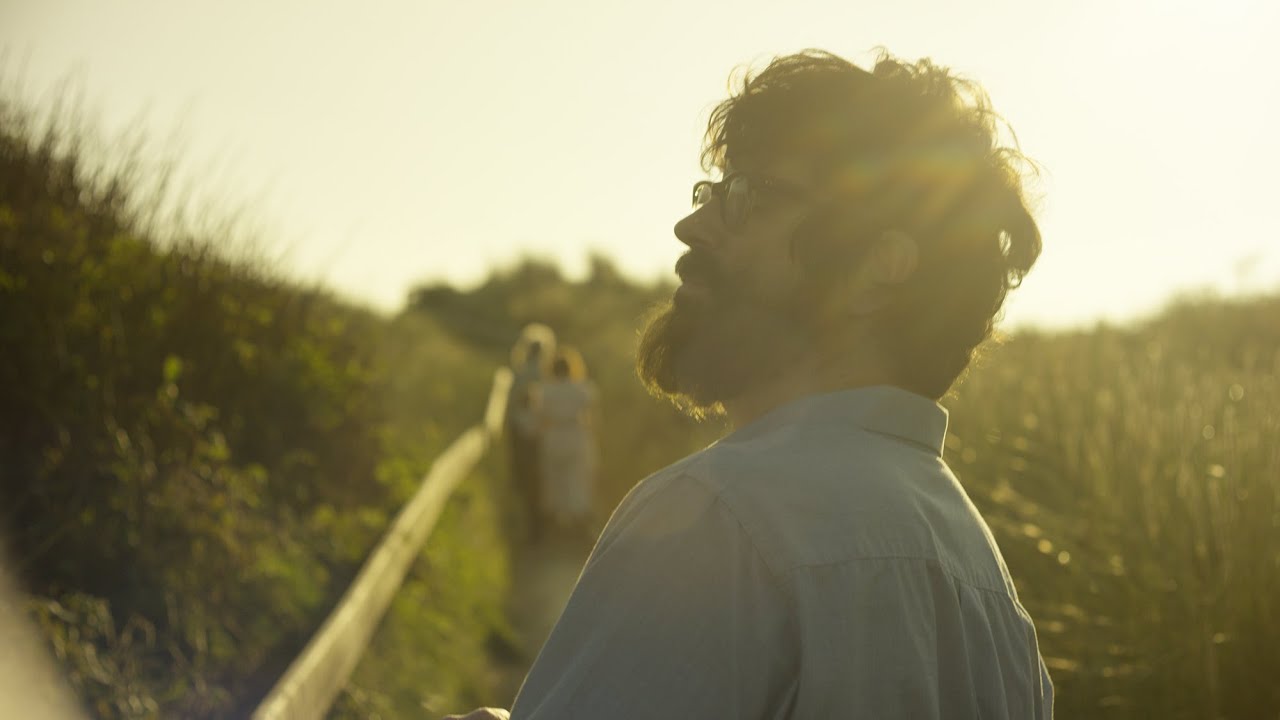
This session introduced the core principles and practices of Narrative Medicine through a guided discussion and viewing of “Notes on Blindness”—the official selection of the 2014 Sundance Film Festival, directed by Peter Middleton and James Spinney, and presented by The New York Times Op-Docs.
Following the screening, the group engaged in a reflective discussion centered on the film’s visual and auditory elements, exploring the beauty of cognition and its ability to evoke emotional and sensory responses.
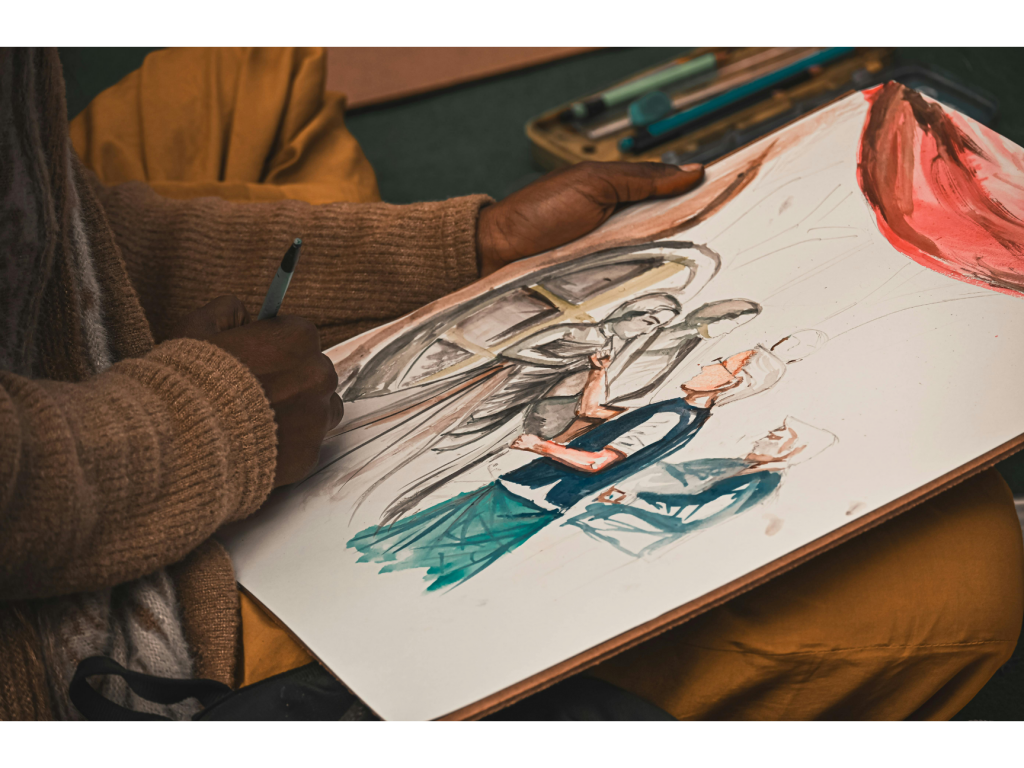
The session concluded with a narrative workshop led by Nicole Robinson, where students reflected on themes of uncertainty through writing or drawing for 10–15 minutes. Attendees explored communication strategies, narrative ethics, and practiced close listening, reinforcing the role of attentive presence and ethical storytelling in healing.